



ist eine gemeinnützige Organisation, die über die negativen Folgen des Einsatzes von Pestiziden informiert und sich für umweltschonende, sozial gerechte Alternativen einsetzt.
Wir sind Teil des internationalen Pesticide Action Network (PAN).
Gutes Engagement von @Misereor @ECCHRBerlin und alle Beteiligten. Wir wünschen Euch Erfolg mit der @OECD-Beschwerde und den Betroffenen vor Ort eine bessere Zukunft ohne massive Pestizdbelastung.
🧬 We need to protect our health from endocrine disruptors. #EDC #pesticides lead to developmental malformations, interference with reproduction, increase cancer risk and disturbances in the immune and nervous system function. To do nothing is not an option. #EuropeanHormoneDay
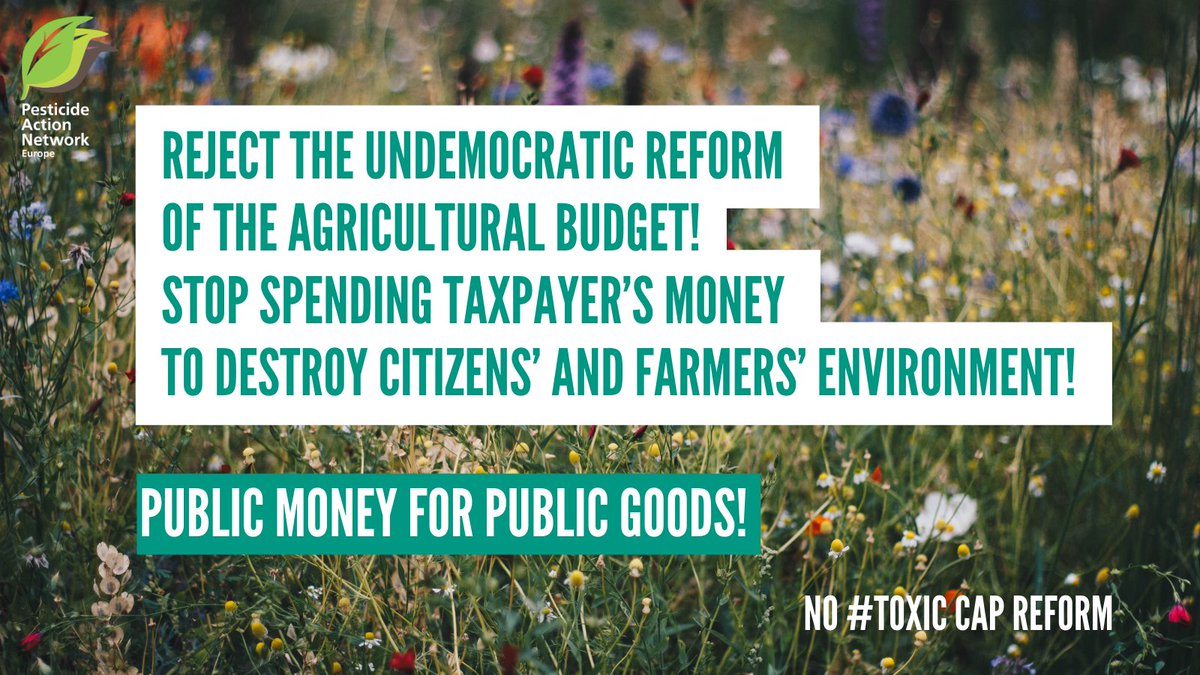
Throwing overboard already weak environmental rules to qualify for #CAP subsidies is a scandalous neglect of the democratic policy process, citizens, farmers and science. We and 68 organisations urgently ask @Europarl_EN to reject: https://www.pan-europe.info/sites/pan-europe.info/files/public/resources/Letters/Letter%20to%20MEPs%20-%20The%20attack%20of%20the%20Commission%20on%20the%20environmental%20conditionality%20of%20the%20CAP%20-%201.pdf
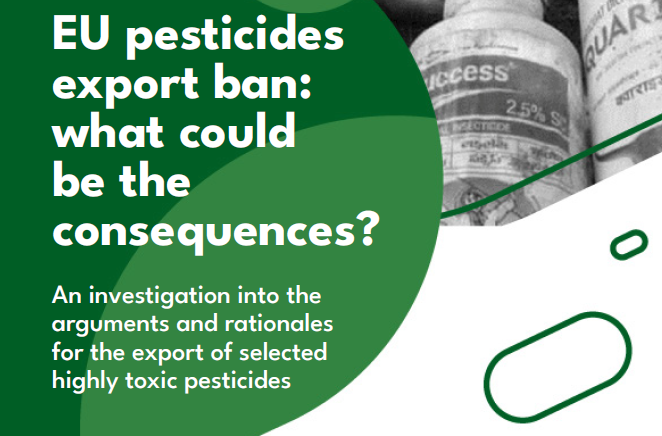
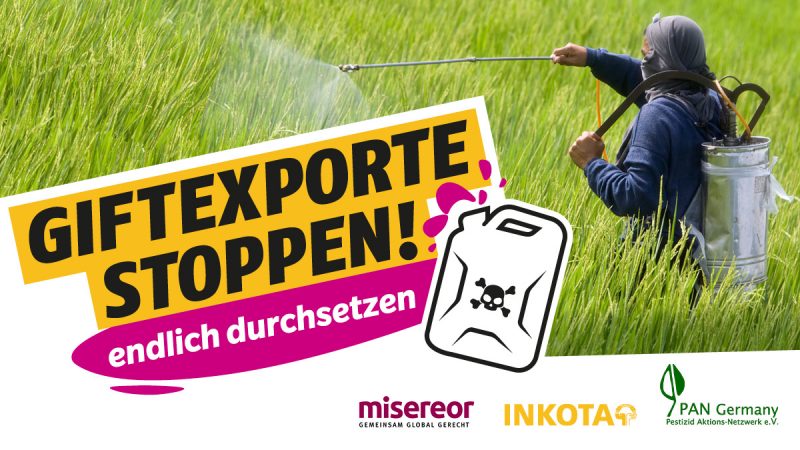
Ein Ausfuhr-Stopp von in der EU verbotenen Pestiziden schadet der Wirtschaft nicht und
wirkt sich positiv auf die Gesundheit der Menschen & die Umwelt in den Importländern aus.
Jetzt den neuen Bericht lesen! https://pan-germany.org/pestizide/exportstopp-fuer-in-der-eu-verbotene-pestizide-schadet-der-europaeischen-wirtschaft-nicht-und-kommt-drittlaendern-zugute/
Abdrift Agrar-Industrie Agrarökologie Alternativen Antibiotika-Restistenz Antifoulings Aquakultur Bienen Bildung Biologische Vielfalt Biozide Chlorpyrifos Cybutryn EDCs EU Pestizid-Recht Export Gesundheit Gewässerschutz Glyphosat Haushaltstipps Hochgefährliche Pestizide Hormonschädliche Chemikalien Insektensterben Klima Landwirtschaft Naturschutz Neonikotinoide PAN International Pestizid-Brief Pestizide Pestizidhandel Pestizidhersteller Podcast Presse-Information press release Rückstände SAICM Tierarzneimittel Umweltschutz Veranstaltung Verbraucherrechte Wahlprüfsteine Wasser Zulassung Ökologischer Landbau
 ;
;