
25. November 2026 · Rubrik: GFC / SAICM
25 November 2026. PRESS RELEASE.
Following the failure of UN climate negotiations to agree on its proposed overarching cover decision at COP31 in Antalya and the underwhelming close of the First International Conference of the Global Framework on Chemicals (GFC IC1) in Geneva on Friday, PAN’s environmental advocates are calling out the common denominator behind both failures: entrenched fossil fuel and agrochemical commercial interests backed by obstruction from petro-states.
Across both Climate and Chemicals summits, corporate lobbyists and major petro-states used consensus-based UN processes to veto meaningful action, gut accountability metrics, and starve global solutions of funding. The message from Antalya and Geneva is unmistakable: if fossil fuel exporters and the industries they shield refuse to act in good faith, they must get out of the way and let the rest of the world move forward.
Failures across climate change, synthetic chemicals (including pesticides) and plastics earlier this year are not separate policy accidents; they all stem from oil and gas interests. As transport and power generation electrify and decarbonize, major oil companies and petrostates increasingly treat petrochemicals as their primary growth engine and they are going all out to protect that market. This is further exacerbated by a growing shift away from collaborative multilateralism and the increasing dominance of individual economic giants.
Two Summits, One Playbook of Obstruction
At COP31, two weeks of talks ended without an agreed cover decision after allied fossil fuel exporters blocked any mention of transitioning away from oil, gas, and coal – the primary drivers of the climate crisis. Some developed countries also obstructed any efforts to clarify their obligations to provide public finance under Article 9.1 of the Paris Agreement[1], all the while pressuring developing countries to transition away from fossil fuels more quickly. Meanwhile, the United States, having abandoned the Paris Agreement and boycotted the summit altogether, left a massive void in public climate finance while continuing to expand fossil fuel production.
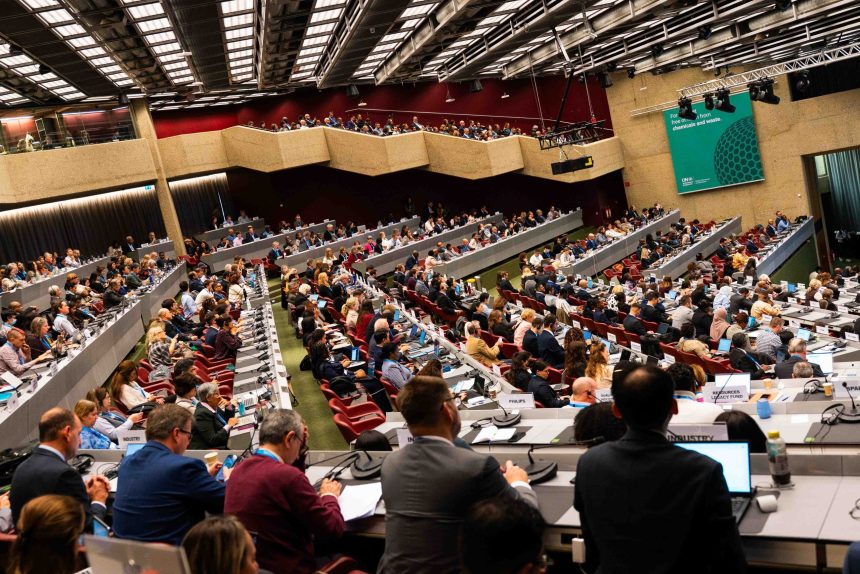
In Geneva, a familiar dynamic played out at GFC IC1, with major agrichems firms using countries to block progress on key decisions, particularly on pesticides. Because plastics, synthetic chemicals, and pesticides are overwhelmingly derived from fossil fuels, the petrochemical and agrochemical lobbies share the same playbook as Big Oil. Throughout the week, chemical industry representatives and aligned delegations worked to resist meaningful action on highly hazardous pesticides (HHPs) and clashed with African nations as well as PAN and other civil society groups over meaningful indicators for toxic pesticide harms.
Lack of Accountability
While commercial giants reap record profits from fossil fuels and synthetic chemicals, both UN frameworks remain crippled by the refusal of these companies to pay for the damage they cause. Instead, the rest of us pick up the bill through ill health, environmental harm and higher taxes.
Defending Action on Highly Hazardous Pesticides from Industry Pushback
Despite fierce attacks from agrochemical manufacturers and aligned delegations on health and exposure metrics, the PAN team did secure some hard-won steps forward: many governments and stakeholders reaffirmed plans to phase out Highly Hazardous Pesticides (HHPs) by 2035 and important indicators put forward by 54 African nations were kept on the table for further work. The Global Alliance on HHPs was also protected for another three years despite extremely strong efforts from the US and industry lobbyists to shackle it. Early GFC Fund grants to PAN in both West and East African countries have also started backing HHP regulatory reforms and safer agricultural alternatives in developing nations.
“From the negotiating halls of Antalya to the committee rooms of Geneva, the world is watching a handful of petro-states and corporate lobbyists hold human survival hostage,” said Manon Rouby, Co-coordinator, PAN International. The failure undermines the desire of many governments, particularly from developing nations, which attend with expectations that previous commitments will be translated into concrete action. The United States has walked away from its financial and moral responsibilities, while other developed countries continue to turn their obligation to provide climate finance into an endless conversation, and agrochemical giants are fighting tooth and nail to keep profiting from poisons. PAN continues to stand on the side of multilateralism. The fight for real action to protect people and the planet will continue in Addis Ababa in 2027.”
“The fight for climate justice is a fight for our food systems. The same corporate interests blocking climate action are locking farmers into chemical dependency and destroying biodiversity, soils and food sovereignty. We cannot build climate resilience on a collapsing ecological foundation. Agroecology and community-led food systems are not optional: they are the path to a just transition.” added Raisul Safkat, Senior Researcher at SHISUK.
Contacts:
UNFCCC COP31
GFC IC 1
Notes to Editors:
Pesticide Action Network International (PAN) is a global coalition of over 600 participating non-governmental organizations, institutions and individuals in 90 countries, working to replace hazardous pesticides with ecologically sound and socially just alternatives. Founded in 1982, PAN works to end reliance on hazardous pesticides and achieve health, resilience and justice in food and farming. PAN advocates for agroecology as a powerful solution to the negative effects of chemical-intensive agriculture and the converging planetary and societal crises of climate chaos, biodiversity loss, pollution and failing public health. PAN situates its work within a rights-based approach that prioritizes agroecology, food sovereignty and climate justice. You can find more information at https://pan-international.org.
Bildrechte © PAN International: Plenary at the Global Framework on Chemicals 1st International Conference